The Orphan Spirit: What It Is, How to Recognise It, and How to Heal
The orphan spirit isn't about losing a parent. That's the first thing to name — because most people who carry it grew up with both parents present, functional, and trying their best.
It's about something more specific than that. It's about whether you ever truly received the message — not just heard it, but received it deep in your bones — that you are loved without earning it. That you belong without performing. That your place here is secure.
Not because of what you do. Just because of who you are.
Most of us didn't receive that message. Not consistently. Not in a way that settled into the body and became the ground under our feet. And the child who grows up without it learns something very specific: love is something you earn. Belonging is something you maintain. Worth is tied to output.
That lesson becomes the operating system. And it runs in the background of everything — how you parent, how you work, how you rest, how you love — long after you've grown up and left the house where you learned it.
Where it comes from
Leif Hetland, whose work on the Father's love has shaped much of how we think about this, puts it simply: you cannot give what you have never received.
Your parents gave you what they could from what they had. And what most of them had received was conditional love — love tied to performance, behaviour, achievement, compliance. Not because they were cruel. Because that's what they knew how to give. That's what had been given to them.
The orphan spirit travels generationally. It gets passed down not through intention but through atmosphere — the way love was measured in your home, the implicit conditions that governed approval, the thing that had to be managed or achieved or suppressed before you felt safe.
You absorbed it before you had words for it. And now you live by it, largely without knowing that's what you're doing.
Seven signs you might be carrying it
As you read these, notice — don't judge. These aren't character flaws. They are wounds that learned to protect themselves.
Sign 1
Performing for love
Sign 2
Fear of rejection
Sign 3
Difficulty receiving
Sign 4
Scarcity thinking
Sign 5
Inability to rest
Sign 6
Identity through role
Sign 7
Parenting from fear
The two operating systems
Every parent is running one of two systems underneath their daily choices. Most of us are running a mixture — but it's worth being honest about which one is driving right now.
Orphan mindset
- Love must be earned
- I perform to belong
- My child's behaviour is my report card
- I protect because I'm afraid
- There isn't enough
Son · Daughter mindset
- Love is already mine
- I give from fullness
- My child's growth is my calling
- I connect because I'm secure
- There is enough
Why it matters most for your family
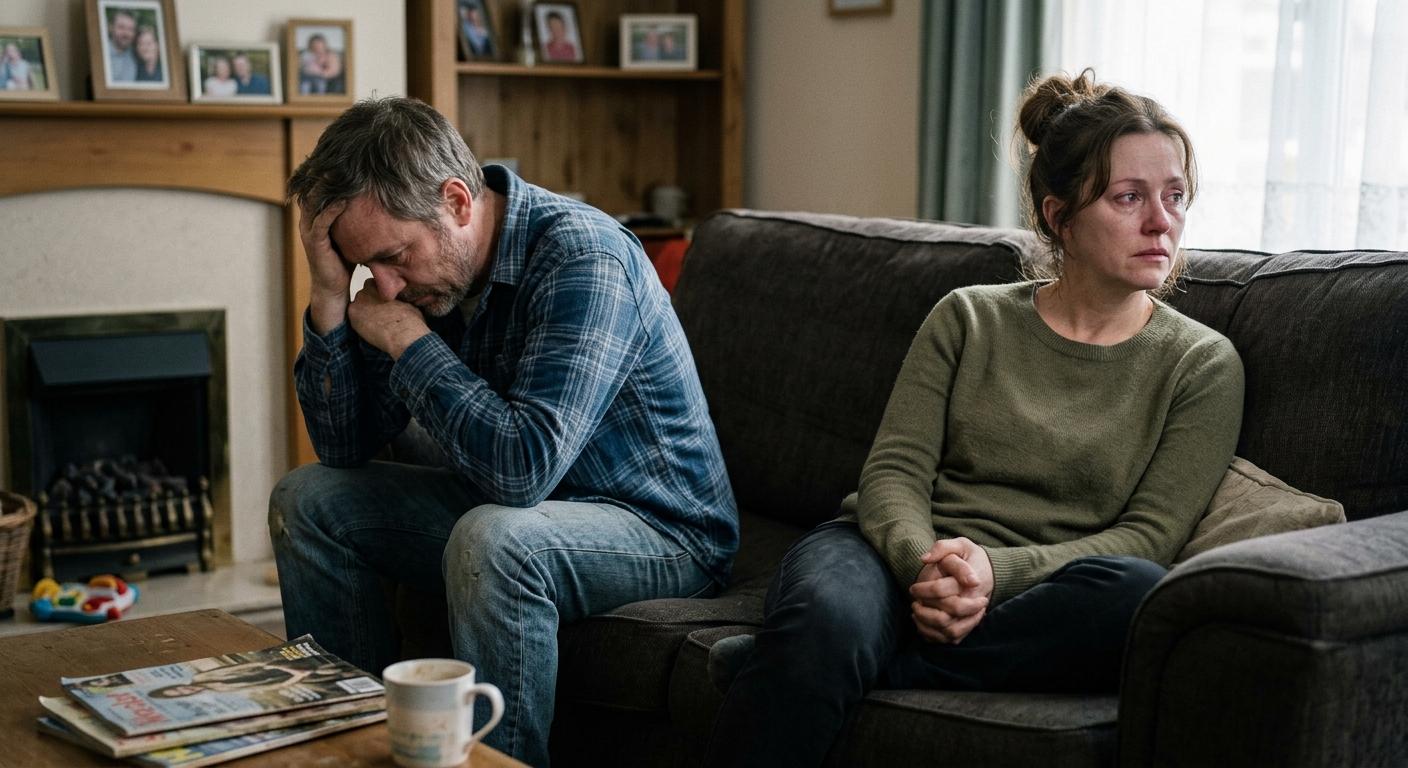
Here is what makes this more than personal work. The orphan spirit doesn't stay contained to the person who carries it. It shapes the atmosphere of every relationship they're in — and nowhere more formatively than in the home they create for their children.
The parent who has never truly received unconditional love will find it almost impossible to give it. Not because they don't want to. Because you cannot give what you have never received.
The child who grows up in the presence of a parent running the orphan operating system learns the same lesson their parent learned: love is conditional. Belonging must be maintained. Worth is tied to performance. They learn it not from what you say — but from what they feel in the room with you.
This is not condemnation. It is the honest description of how it travels — and therefore how it stops.
How it heals
The orphan spirit is not who you are. It is what you learned. And what was learned can be unlearned — not through willpower or technique, but through receiving something you haven't yet received.
The healing is not self-improvement. It is encounter. It is the experience — not just the doctrine — of being loved without condition. Of belonging without performance. Of having your worth declared rather than earned.
Hetland calls it receiving the Father's love. The neuroscience calls it forming new neural pathways. Both are describing the same thing: a genuine change in the operating system, not just the surface behaviour.
And here is what changes when it begins to happen. You stop parenting from fear. You stop needing your child to perform so you feel like a good parent. You start creating the kind of home where a child's seed can actually grow — because the soil has changed.
"The orphan spirit is not who you are. It's a lie you believed because someone, somewhere, in your story, wasn't able to give you what you needed. That's not a character flaw. That's a wound. And wounds can heal."
Where in your life do you most clearly see the orphan operating system running? Not as a verdict — just as honest observation.
And what would it change in your parenting if you genuinely believed you were already enough?
Continue reading: You Were Not an Accident · The Conversation Framework
Curious what your own seed type is?